

We hear it constantly during appointments:
- "I see Taj Mahal everywhere."
- "Everyone keeps talking about it."
- "Why does this stone come up so much?"
You're not imagining it — and there's a good reason it keeps showing up. Let's break down what Taj Mahal actually is, why it's so popular, what most people don't realize about it, and how to decide if it's the right fit for your home.
Is Taj Mahal Quartz or Quartzite?
This is the number one question we get.
Taj Mahal is quartzite.
Not quartz. Not engineered. A true natural stone.
An easy way to think about quartzite is this: it's slices of real rock, cut straight from the earth — sliced like bread — then finished for use in your home. Those slabs are polished, honed, or leathered to bring out the stone's natural color, movement, and texture.
Quartz, on the other hand, is engineered. It's made from crushed quartz mixed with resins and pigments, then formed into slabs designed for consistency and low maintenance.
Both materials can be great — the right choice depends on your lifestyle, expectations, and budget.
Why Taj Mahal Keeps Showing Up in Kitchens
The Marble Look Without the Marble Drama
Taj Mahal gives homeowners the soft, elegant look of marble without the constant worry about etching and wear. It performs far better in real kitchens while still delivering that calm, natural stone aesthetic.
It resists:
- Etching
- Staining
- Heat
Which makes it a strong choice for countertops, islands, bathrooms, and even full-height backsplashes.
Warm Tones That Just Work
Taj Mahal sits in a perfect middle ground between beige, cream, and soft gray. It leans warm without feeling yellow and neutral without feeling cold.
It pairs beautifully with:
- White or off-white cabinetry
- Natural wood tones
- Warm metals like brass or bronze
- Transitional, modern, or classic designs
As kitchens move away from cool grays and toward warmer, more inviting spaces, Taj Mahal fits right in.
Why It's Even More Popular Right Now
Taj Mahal isn't new — it's proven.
As busy granites faded and ultra-white surfaces started to feel cold, homeowners began looking for materials that felt timeless, natural, and livable. Taj Mahal checks those boxes while still holding up to everyday use.
That's why it keeps showing up in high-end kitchens and bathrooms, especially for homeowners thinking long-term.

Taj Mahal installed with full-height window wrap
Where Real Taj Mahal Quartzite Comes From
Authentic Taj Mahal Quartzite comes from Brazil — and only Brazil.
If a slab is being sold as true Taj Mahal, it originates from Brazilian quarries. Other stones may look similar, and many quartz products mimic the appearance extremely well, but genuine Taj Mahal is Brazilian material.
Even then, no two slabs are exactly the same. That's part of what people love about it — but it's also why seeing the actual slab matters more than the name on the tag.

Taj Mahal slabs showing natural variation

Each slab has unique movement and tone
The Perla Venata Question
Perla Venata Quartzite comes from the same Brazilian mountain range as Taj Mahal — and in real-world terms, the two can be extremely close.
In our experience, Perla Venata can be so similar that even our experienced fabricators can't tell the difference without seeing the tag on the slab. The movement, tone, and overall feel can be nearly identical.
Historically, both Taj Mahal and Perla Venata were widely used and equally popular. As Taj Mahal's name recognition exploded, Perla Venata seems to show up less often.
Common Mislabels and Look-Alikes
Because Taj Mahal is so well known, its name gets used loosely. Here are the most common ones homeowners run into:
"Taj Mahal Quartz"
There is no natural stone called Taj Mahal quartz. This refers to engineered quartz designed to mimic the look of Taj Mahal Quartzite.
These can be excellent options — just a different material.
Taj-Inspired Quartz (Various Brands)
Many quartz manufacturers now offer slabs that do an impressive job replicating Taj Mahal's warm, soft movement. For some homes, this is the better fit.
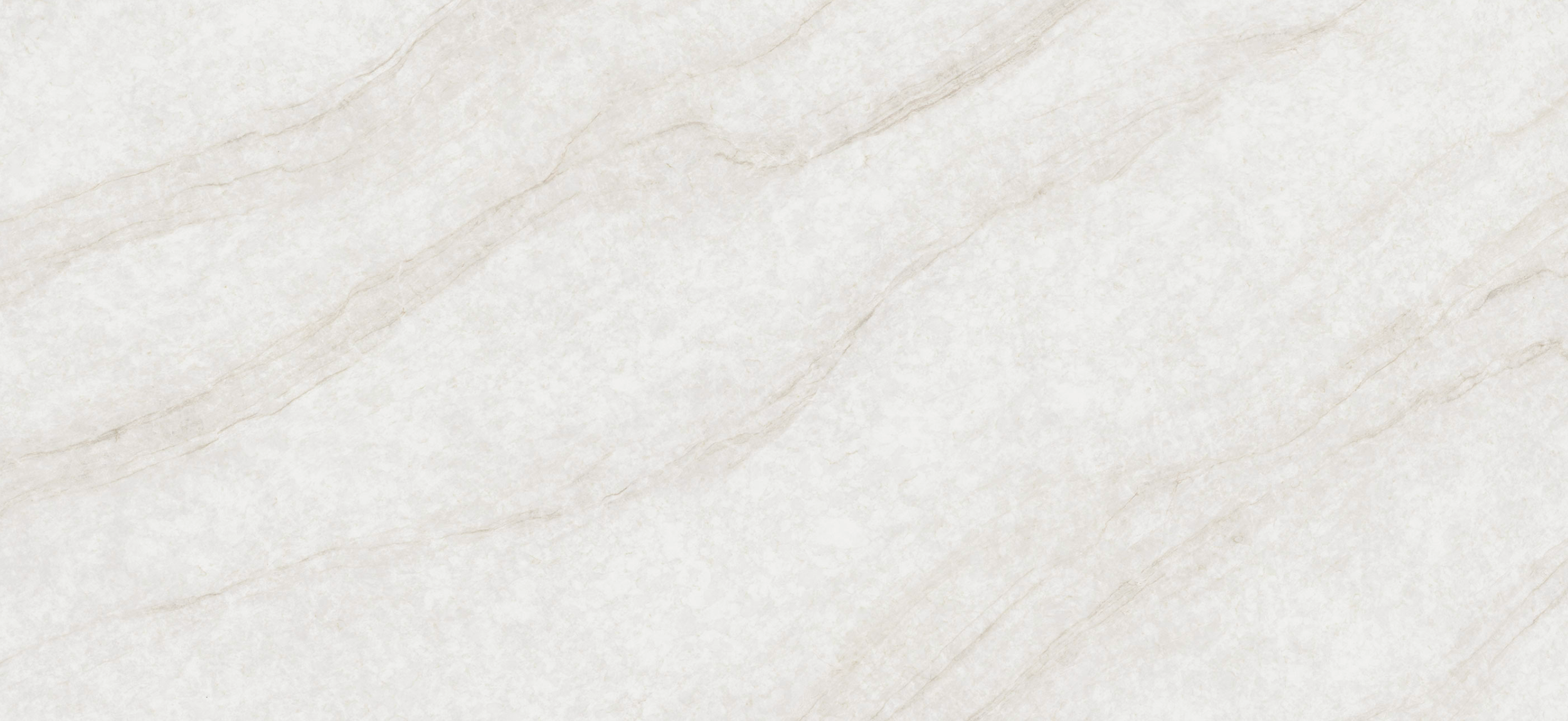
Ivoritaj Quartz
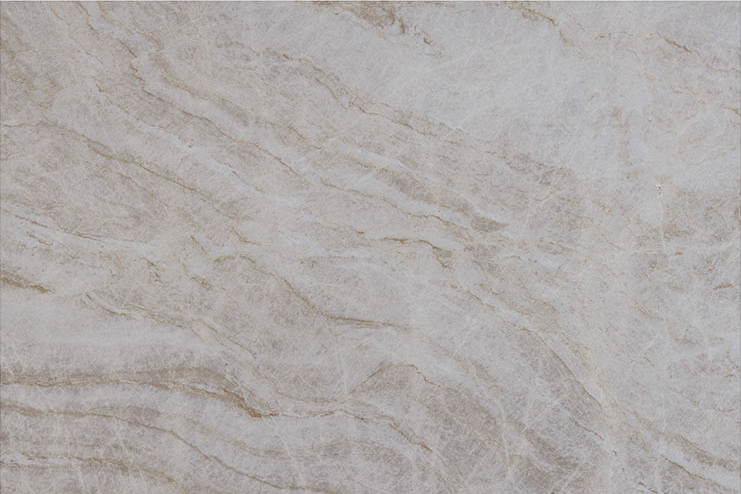
Real Taj Mahal Quartzite
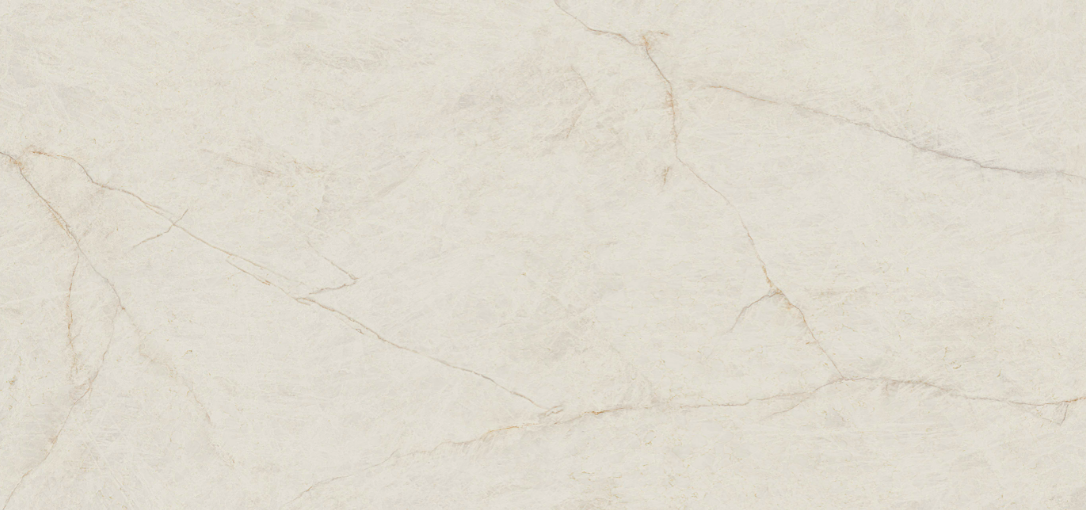
Solitaj Quartz
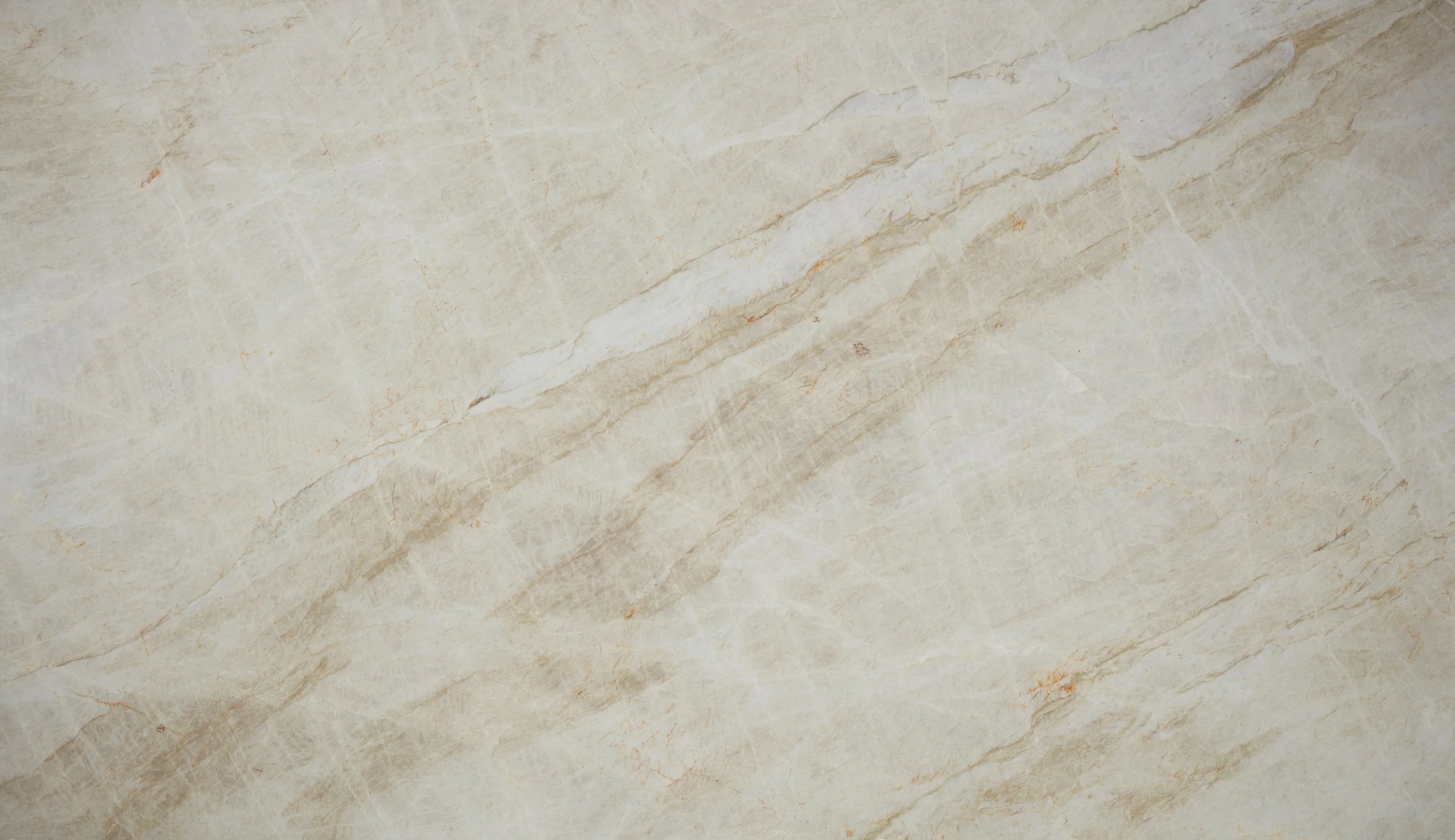
Real Taj Mahal Quartzite
Solitaj Brushed Installed in Real Kitchens:
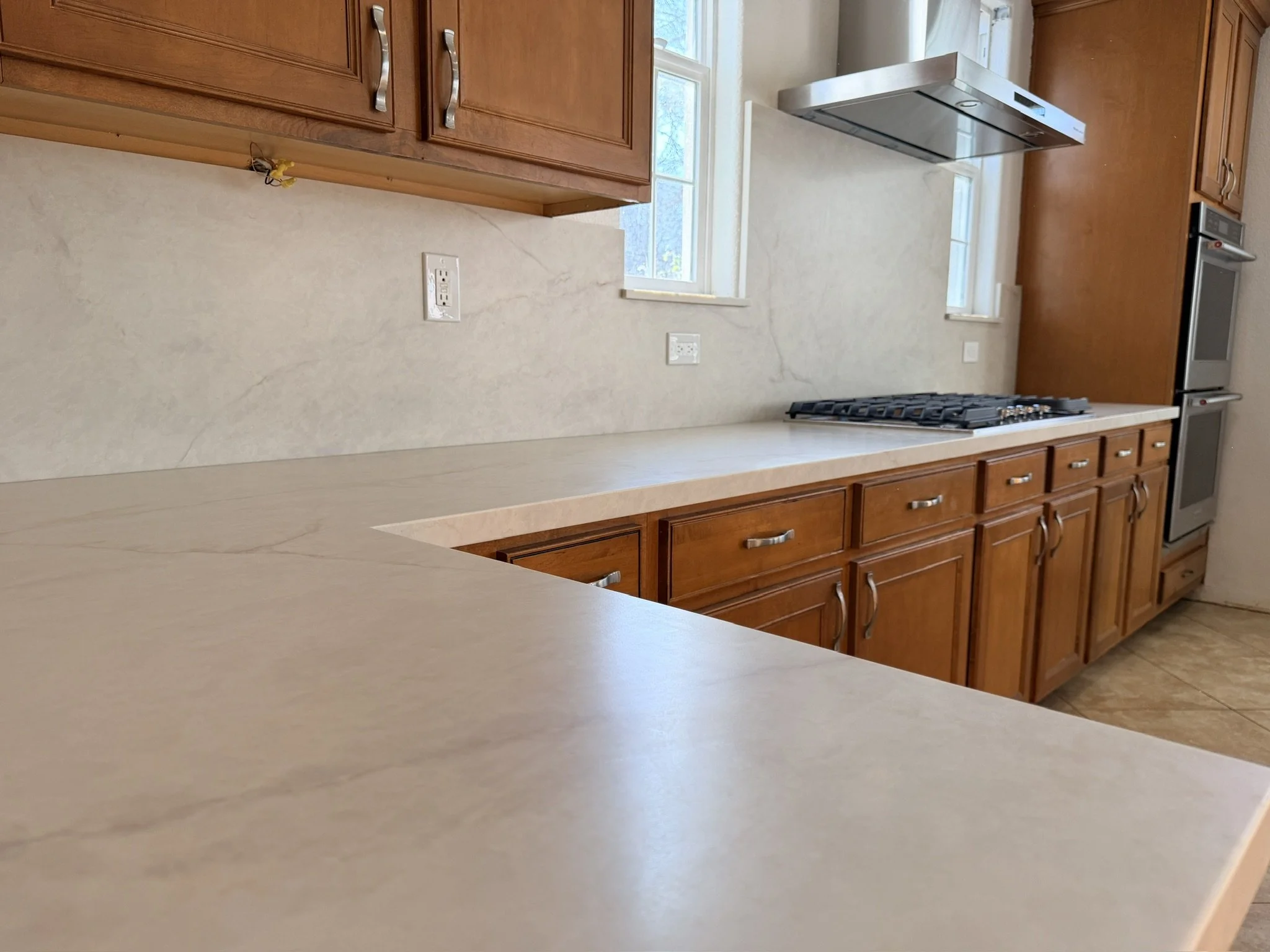
Solitaj Brushed quartz installed

Performs beautifully in everyday use
Quartz vs. Quartzite: Which One Is Right?
Choose Taj Mahal Quartzite if you:
- Love natural variation
- Want real stone
- Are comfortable with periodic sealing
Choose a Taj Mahal–look quartz if you:
- Want lower maintenance
- Prefer consistent patterning
- Are working within a specific budget
There's no wrong answer — just the right fit for how you live.
Fabrication and Installation Matter
Taj Mahal Quartzite is harder than granite, which makes it durable but also demanding during fabrication. Incorrect tooling, rushed cutting, or poor planning can lead to chipping, uneven polish, or awkward seams.
Installation matters just as much. This is a dense, heavy stone that requires solid cabinetry, proper support, and thoughtful layout.
When it's done right, it's stunning. When it's not, the issues show.
Caring for Taj Mahal Quartzite
Like all natural stone, Taj Mahal benefits from:
- Periodic sealing (typically about once a year)
- Gentle, non-acidic cleaners
- Basic care and awareness
With proper sealing, it performs exceptionally well in busy kitchens and bathrooms.
One Last Thought — From Experience
I've been fabricating stone slabs for 25 years, and every year I see thousands of slabs cut and hundreds of finished kitchens completed.
Through all of it, Taj Mahal Quartzite has been the most consistently popular quartzite I've worked with — long before it was "everywhere."
Yes, it's popular right now. But this isn't a passing fad.
Taj Mahal has always been timeless — and it always will be.
When you work with this much stone year after year, you get a clear sense of what actually holds up. So when people ask what I chose for my own home?
You guessed it.
I have Satin Taj Mahal.
Not because it's trendy. Not because it's popular. But because after seeing how it performs, how it ages, and how it looks in real kitchens again and again — it's one of those rare materials that truly earns its reputation.
Some trends come and go.
This is one of the good ones we're glad stuck around.